Commercial Kitchen Fire Safety: Why Bare Metal Matters for Your Exhaust System
I have spent more than a decade working with restaurant kitchens, and if there is one thing I have learned it is this: fire safety is not a checklist you file away. It is a daily discipline. A commercial kitchen runs hot, fast, and greasy. The exhaust system works hard to pull smoke and heat out of the building, but if that system is not kept clean, it becomes a fire hazard itself. The National Fire Protection Association sets the standard for this with NFPA 96, and the heart of that standard is what the industry calls the Bare Metal Standard.
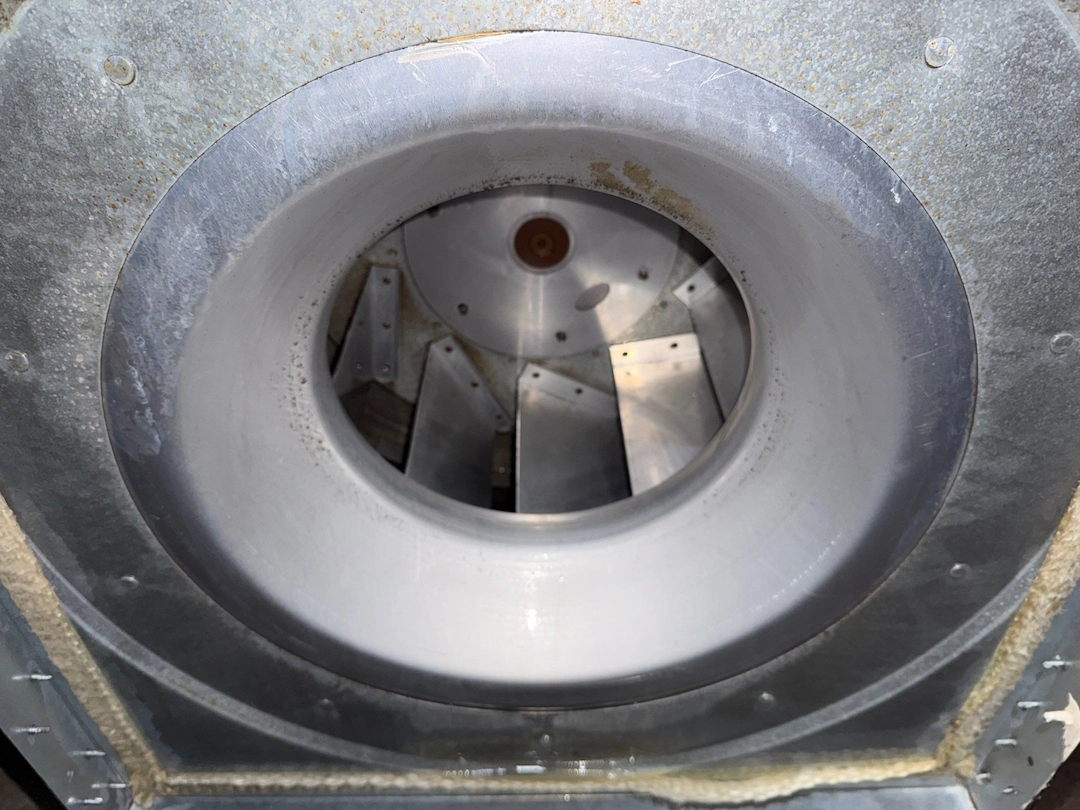
The Bare Metal Standard is not a marketing term. It is a practical requirement that every surface inside the kitchen exhaust system must be clean enough that you can see the bare metal underneath. No residue. No grease buildup. Just clean metal. This is not about aesthetics. It is about making sure that if a fire starts in the hood or the ductwork, there is nothing to feed it. I have seen kitchens that looked spotless from the floor but had half an inch of hardened grease inside the exhaust fan housing. That is a disaster waiting to happen.
Understanding the Risk of Grease Buildup
Grease is the enemy. When cooking oil heats up, it vaporizes and rises into the Type I hood. As that vapor cools, it condenses on the interior surfaces of the hood, the ductwork, and the exhaust fan. Over time, that layer of grease hardens and builds up. A heavy layer of grease can ignite at a lower temperature than you might expect, and once it catches, it burns hot and fast. A grease fire in the exhaust system can spread through the entire building before a sprinkler system even activates.
That is why NFPA 96 requires regular hood cleaning. The standard specifies how often cleaning must happen based on the volume of cooking and the type of food being prepared. A high-volume restaurant kitchen that fries a lot of chicken might need cleaning every three months. A smaller operation might get away with every six months. But the key is that the cleaning must be thorough enough to meet the Bare Metal Standard. That means every interior surface of the hood, the duct, the exhaust fan, and the fire damper must be scraped and wiped down until the metal shows through.

The Role of Hood Suppression Systems
A clean exhaust system is your first line of defense, but it is not the only one. Every commercial kitchen should have a hood suppression system installed. These systems are designed to discharge a chemical agent directly onto the cooking surface if a fire breaks out. The most common type is an Ansul system, which uses a wet chemical agent that smothers the fire and cools the surface. These systems are tested to the UL 300 standard, which means they have been proven effective against real kitchen fires.
But here is the thing: a suppression system is only as good as its maintenance. If the nozzles are clogged with grease, or if the system has not been inspected recently, it might not work when you need it. That is why annual inspection is required by NFPA 96. A certified technician checks the system, tests the discharge, and makes sure everything is in working order. I have seen a kitchen where the suppression system was installed but never inspected. When a small fire broke out on the grill, the system failed to discharge because a grease filter had shifted and blocked the nozzle. That is a fire code violation that could have been prevented.
Inspection and Documentation
Fire safety is not just about the equipment. It is also about the paperwork. NFPA 96 requires that every kitchen exhaust system be inspected and cleaned according to a schedule, and that the cleaning be documented. This means keeping a cleaning log that shows the date of each cleaning, who did it, and what was cleaned. If a fire inspector comes through your kitchen, they will ask to see that log. If you cannot produce it, you risk a fire code violation and possibly a shutdown.
I have worked with restaurant owners who thought they could skip the documentation and just clean when they remembered. That is a mistake. The cleaning log is your proof that you are meeting the standard. It is also a useful tool for tracking how quickly grease buildup happens in your kitchen. If you see that the exhaust fan needs cleaning more often than the hood does, you can adjust your schedule accordingly.
Insurance Requirements and Liability
Insurance companies pay close attention to commercial kitchen fire safety. Most commercial property insurance policies require that the kitchen exhaust system be cleaned and inspected according to NFPA 96. If you have a fire and the insurance adjuster finds that you did not meet the cleaning schedule, they can deny your claim. I have seen a restaurant lose its business because a grease fire caused major damage and the insurance company refused to pay. The owner had a cleaning log that showed cleanings every six months, but the inspector found heavy grease buildup in the ductwork. The log had been falsified. That is fraud, and it is a serious legal problem.
Even if your insurance does not require it, following NFPA 96 is smart risk management. A fire in the kitchen can destroy months of revenue and put employees out of work. The cost of regular hood cleaning is small compared to the cost of a fire.
Practical Tips for Keeping Your System Clean
Here are a few things I have learned that help keep a kitchen exhaust system in good shape:
- Train your staff to clean the grease filters every day. Grease filters catch a lot of the airborne grease before it reaches the ductwork. If they are cleaned daily, the rest of the system stays cleaner longer.
- Schedule professional hood cleaning based on your actual cooking volume, not just the minimum requirement. If you fry a lot of food, you might need cleaning every three months. If you mostly bake, every six months might be enough.
- Keep a copy of your cleaning log in a visible place near the hood. That way, when the inspector comes, you do not have to search for it.
- Have your hood suppression system inspected annually by a certified technician. Make sure they test the discharge and check the nozzles for blockages.
- Do not forget the exhaust fan and the fire damper. These are often overlooked because they are harder to reach, but they are just as important as the hood itself.
Common Mistakes and How to Avoid Them
One mistake I see often is thinking that if the kitchen looks clean, the exhaust system is clean. That is not true. The interior of the ductwork can have a thick layer of grease even when the hood exterior is spotless. The only way to know is to look inside. A good hood cleaning technician will show you pictures of the interior before and after the cleaning. If your technician does not do that, ask them to.

Another mistake is neglecting the backflow. When the exhaust fan is running, it pulls air out of the kitchen. If there is a blockage in the ductwork, or if the fan is not working properly, air can flow backward and push grease-laden air back into the kitchen. That is a sign that the system needs cleaning or repair. I have seen kitchens where the exhaust fan was so clogged with grease that it barely moved any air. The kitchen was hot and smoky, and the fire risk was high.
The answer to most of these problems is regular, thorough cleaning and inspection. When you meet the Bare Metal Standard, you are not just complying with a code. You are protecting your business, your employees, and your customers. Commercial kitchen fire safety is not complicated, but it does require attention and consistency. If you stay on top of it, you can cook with confidence.